
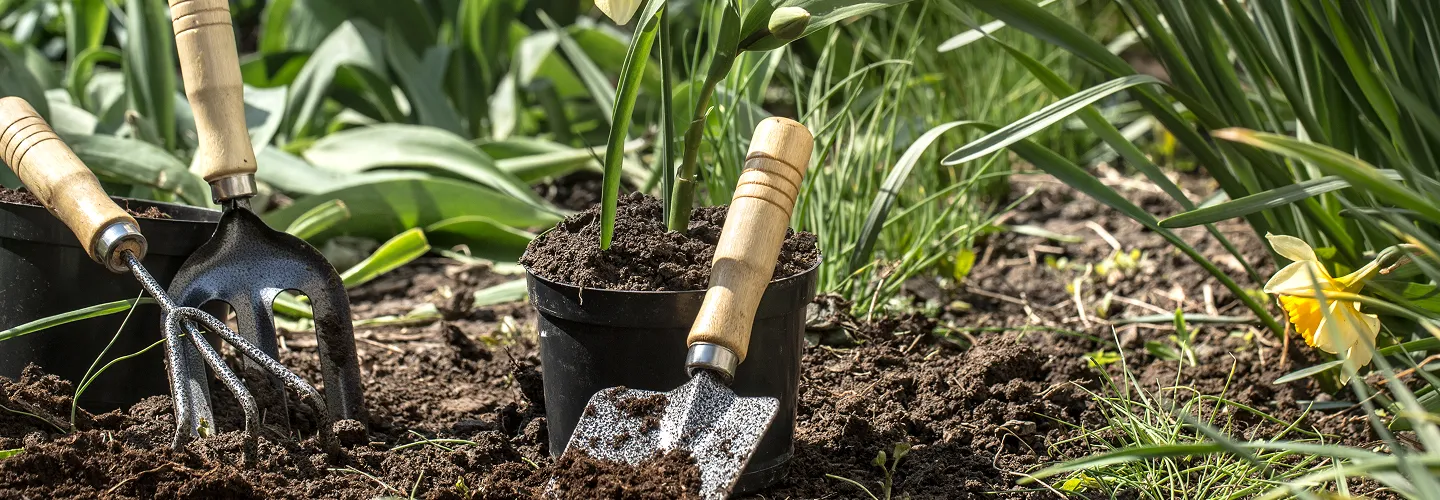
Columbia Lawn Grubs Control Services
Choose our Lawn Grubs Control for proven, eco-friendly treatments that eliminate grubs and restore your lawn’s health—ensuring a lush, green yard all season long.
Get a Free QuoteOur Columbia Landscaping & Yard Care Services
When to Schedule Lawn Grubs Control in Columbia, Connecticut – Seasonal Guide
In Columbia, Connecticut, the best time to schedule lawn grubs control is typically late summer through early fall, when grubs are most active near the soil surface. The region’s climate—with its distinct seasons, moderate humidity, and variable rainfall—means that timing your treatment is crucial for effective results. Early intervention, especially after the last frost and before the first hard freeze, helps protect lawns in neighborhoods like Hop River and around Columbia Lake from extensive grub damage.
Local environmental factors such as the sandy loam soils common in the area, the prevalence of shaded yards under mature maples, and the risk of summer droughts all play a role in determining the optimal treatment window. Homeowners should also consider municipal guidelines and resources, such as those provided by the Town of Sudbury, to stay informed about best practices and any local restrictions.
Local Factors to Consider for Lawn Grubs Control in Columbia
- Tree density and shade coverage, especially in areas like the Columbia Green Historic District
- Soil type and drainage, with sandy soils requiring different approaches than clay-heavy areas
- Seasonal precipitation patterns and drought risk
- Frost dates and timing of spring and fall temperature changes
- Terrain variations, such as sloped yards near the Willimantic River
- Municipal restrictions or recommendations on pesticide use
Benefits of Lawn Grubs Control in Columbia

Effective Grub Elimination
Healthier Lawn Growth
Eco-Friendly Treatment Options
Experienced Landscaping Professionals
Customized Lawn Care Plans
Long-Term Pest Prevention
Columbia Lawn Grubs Control Types

Preventative Grub Treatments
-
Curative Grub Treatments
-
Biological Grub Control
-
Organic Grub Solutions
-
Chemical Insecticide Applications
-
Nematode Applications
-
Integrated Pest Management
Our Lawn Grubs Control Process
Inspection and Identification
Customized Treatment Plan
Targeted Application
Monitoring and Follow-Up
Why Choose Columbia Landscape Services
-
Columbia Homeowners Trust Us
-
Expert Lawn Maintenance
-
Reliable Scheduling
-
Competitive Pricing
-
Professional Team
-
Satisfaction Guarantee
-
Personalized Service
Columbia’s Glacial Till Soils and Their Impact on Lawn Grub Management
Columbia’s predominant soils, including the Charlton-Chatfield and Paxton series, are characterized by glacial till with moderate to poor drainage and a pH typically ranging from 5.5 to 6.5. These conditions can foster white grub infestations, especially in compacted or poorly drained lawns. Soil testing through the USDA Web Soil Survey or UConn Extension is recommended to determine pH and organic matter content before treatment. For optimal grub control, core aeration to a depth of 2-3 inches is advised in spring or fall to reduce compaction and improve root health. Incorporate lime if pH is below 6.0, and apply compost at 2-3 inches tilled to a 6-inch depth. These practices, tailored to Columbia’s unique soils, enhance turf resilience and reduce chemical reliance.
Municipal Coordination for Lawn Grub Control in Columbia
Proper management of lawn grubs in Columbia requires adherence to local ordinances and coordination with municipal programs. The Department of Public Works oversees yard waste collection, which occurs every Thursday from April through November. Residents must use biodegradable bags or 32-gallon reusable bins for disposal of turf debris and grass clippings; plastic bags and branches over 4 inches in diameter are prohibited. Equipment operation is permitted:
- Monday-Friday: 7:00 AM - 7:00 PM
- Saturday: 8:00 AM - 6:00 PM
- Sunday and holidays: Prohibited Permit requirements for pesticide application may apply in sensitive areas or near wetlands. For guidance on compliance and collection schedules:
Columbia CT Public Works
323 Route 87, Columbia, CT 06237
Phone: (860) 228-0110
Official Website: Columbia CT Public Works
Environmental Compliance: Protecting Columbia’s Lakes, Streams, and Wetlands
Lawn grub control in Columbia must comply with the Connecticut Environmental Protection Act and the town’s MS4 stormwater permit, which prohibits the discharge of pesticides, fertilizers, or grass clippings into storm drains. Maintain a 25-foot no-disturbance buffer from wetlands and a 50-foot setback from Columbia Lake, Hop River, and other protected water bodies. Application of grub control products is restricted within these buffer zones. Residents are encouraged to use integrated pest management (IPM) strategies and select products registered with the Connecticut Department of Energy and Environmental Protection. For technical assistance and regulatory questions:
Columbia CT Conservation & Agriculture Commission
323 Route 87, Columbia, CT 06237
Phone: (860) 228-0110
Official Website: Columbia CT Conservation & Agriculture Commission
Optimal Timing and Methods for Grub Control in Columbia’s Climate
Columbia is located in USDA Hardiness Zone 6a, with average last frost in late April and first frost in late October. The most effective window for grub control is May 15 to July 15, when larvae are young and most susceptible. Monitor soil temperatures using the National Weather Service—initiate treatment when soil reaches 55°F at a 2-inch depth. Recommended application rates for preventive products (e.g., imidacloprid) are 0.2-0.4 lbs active ingredient per acre. For curative treatments, apply trichlorfon or carbaryl in late August if damage is observed. Always follow label instructions and avoid applications during heavy rain to prevent runoff. For local weather updates and soil temperature trends, consult the National Weather Service Boston/Norton Office.
What Neighborhoods Do We Serve Throughout Columbia, CT?
- Columbia Center: Features older homes with mature trees and compacted glacial till soils, requiring careful aeration and monitoring for grub activity.
- Columbia Lake District: Proximity to Columbia Lake and regulated buffer zones necessitate strict compliance with pesticide setbacks and stormwater controls.
- Hop River Corridor: Floodplain soils and periodic high water tables increase the risk of turf stress and grub infestations, especially after wet springs.
- Yeomans Corner: Newer developments with improved drainage but potential for soil compaction from construction, making regular soil testing and aeration essential.
- Wells Woods: Dense woodland edges and shaded lawns create microclimates favorable to certain grub species; IPM is especially important here.
- Pucker Street Area: Larger lots with mixed sun and shade, variable soil pH, and occasional wet spots require customized grub management strategies.
- Route 66 Corridor: Commercial and mixed-use properties with high foot traffic and compacted soils, demanding frequent monitoring and adherence to municipal disposal protocols.
Regulatory Standards and Professional Practices for Grub Control in Columbia
All lawn grub control activities in Columbia must comply with municipal and state regulations. Only products registered with the Connecticut Department of Energy and Environmental Protection may be used, and applicators must follow all label restrictions. Maintain a 25-foot buffer from wetlands and a 50-foot setback from open water. Personal protective equipment (PPE) is required:
- Eye protection: ANSI Z87.1 safety glasses
- Hearing protection: Earmuffs or plugs for 85+ dB noise
- Gloves: Chemical-resistant for pesticide handling
- Footwear: Non-slip, closed-toe shoes All equipment must be calibrated for accurate application rates, and records of product use must be retained for at least three years. For questions on zoning or permit requirements:
Columbia CT Planning & Zoning Commission
323 Route 87, Columbia, CT 06237
Phone: (860) 228-0440
Official Website: Columbia CT Planning & Zoning Commission
For additional technical guidance, consult UConn Extension for soil testing, pest identification, and integrated pest management resources.